Get in touch
For a quick chat or more information about our services, get in touch:
Call Us
0141 266 0351
Email Us
Messenger
Use the messenger icon on any page

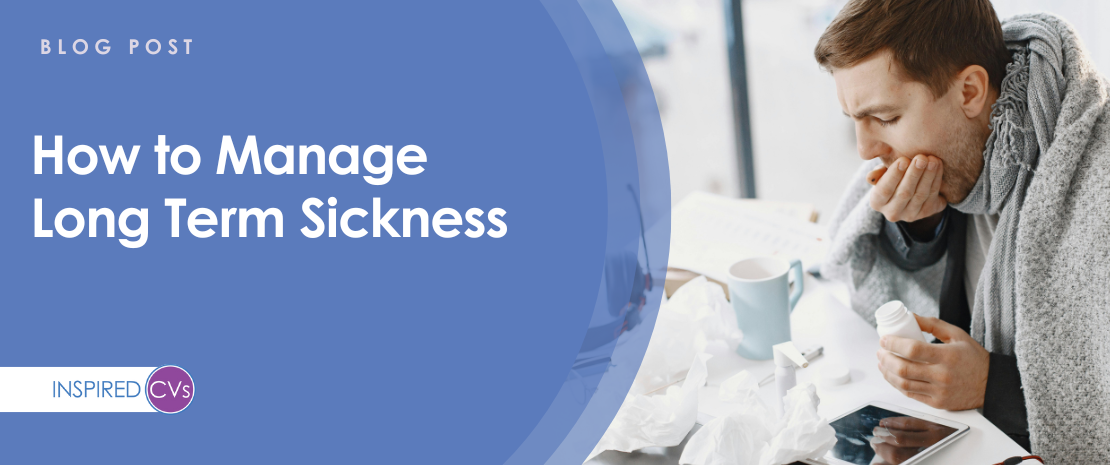
When an employee is off for an extended period of time due to ill health, it is referred to as long term sickness. Long term sickness can occur for many reasons. The employee might have a serious illness, they may be suffering from workplace stress or might have personal issues going on. Long term sickness can be difficult for businesses to manage, but it is important to ensure that the health and wellbeing of your employees is paramount. Even if you have reason to believe that an employee is being disingenuous, it is crucial to manage the process fairly.
Long term sickness is when an employee is absent for a period of time, which is usually 4 weeks or more. When an employee is off for a long period of time, they are entitled to Statutory Sick Pay for up to 28 weeks, which is paid by the employer in the same way as the employee’s wages. Some companies pay sick pay above and beyond this, while for others, the payment ends after this period.
It can be difficult to know whether a single absence will escalate into a long term sickness absence. If the employee has a serious illness or is undergoing surgery, you would expect them to be off for a long period. However, other types of absence such as workplace stress, can be difficult to determine.
When an employee is off for a long period of time, they should cover the long term sickness absence with a sick note, which is provided by the doctor. When they do not do so, it is viewed as an unauthorised absence and may result in disciplinary action, and even dismissal. Make sure you keep on top of the sick notes supplied and contact the employee if you have not received an up-to-date sick note. Managing long term sickness absence can be challenging, so it is crucial to keep communication up-to-date.
It is important to keep in touch with employees while they are off. In this way, you can get an understanding of where they are, and what you can do to support them. For instance, if they are suffering from workplace stress, you might ask what you can do to reduce this so they can return to work. It is important not to put pressure on employees to return to work, but also to keep in touch and show empathy towards them.
Although it is important to show empathy and understanding to employees, you also need to manage your business needs. If a long term sickness is going to cause a significant issue and you are unable to manage the employee back to work, it might be worth a discussion to see how you can move forward. For instance, if the employee expects to be off for another year or so, you might decide to terminate the employment, with a view to re-hiring them when they are fit to return to work. Even if employees do not receive sick pay after 28 weeks, they are still accruing holidays. It can result in significant costs to a business, both in terms of Statutory Sick Pay, holiday pay and the loss of productivity.
At Inspired CVs, we provide HR advice to both employers and employees. We also offer a professional CV service, tailored to suit your individual needs. You can order your CV here or contact us to find out more about our HR and CV services.
For a quick chat or more information about our services, get in touch: